
Peptides Therapy in Islamabad is a very popular treatment for those looking for customized treatments for medical concerns and other treatment goals. Peptides are short chains of amino acids that act as signalling molecules in the body, which can affect various body functions. The effect will depend on the type of peptide and reason why you are using them. However, at Glamorous Aesthetic Clinic Islamabad, we can advise you if it is suitable for you to receive any peptide-based treatment during a consultation.
Quick Facts:
- Treatment Type: Medical and peptide-based therapy
- What It Uses: Short chains of amino acids called peptides
- Potential Purpose: Varies by peptide
- Administration: May be injectable, oral, or topical
- Treatment Plan: Depends on the peptide and treatment plan
- Results: Vary according to the treatment and individual
- Medical Assessment: Before treatment, assessment is important
What Is Peptide Therapy?
Peptide therapy involves using certain peptides to affect biological processes within the body. Peptides are a short chain of amino acids, which are the building blocks of proteins. They interact with cells, receptors, and hormones to act as signalling molecules. Depending on the type of peptide, they can be used to help with various issues such as hormone regulation, metabolic health and tissue-related conditions. Not all peptides will be the same, and many products marketed towards muscle building, recovery, and weight management have little clinical evidence for their use. The safety and suitability of any product will vary depending on what it contains, how much you are taking, and for what reason. It is important to consult a medical professional.
How Does Peptide Therapy Work?
Peptides can interact with receptors or pathways within the body. Depending on the structure of the peptide, it can have an effect on how cells are communicating and controlling certain biological functions. The effects depend on what compound you are using. Some approved peptide medications will have an effect on metabolic pathways, while others will have a specific medical application. It is not possible to generalise the effects, expected outcomes, and safety profile of all peptides. A health care professional should look at the intended purpose and evidence available to them to determine which treatment to recommend.
Benefits of Peptide Therapy:
Benefits of peptide therapy will depend on which peptide you are using, what it is being used for medically, and how it interacts with the individual. Certain approved medication peptides provide the following benefits for certain purposes.
- Some approved medications contain peptides that can support metabolism and control blood sugar levels and appetite.
- Some specific prescription peptides can affect certain hormone pathways.
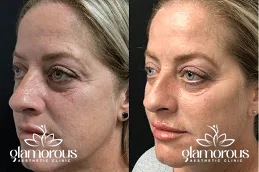
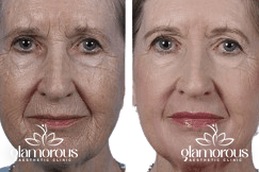
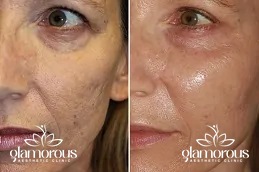
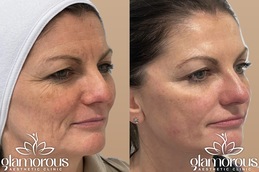
- Some peptides used in cosmetic procedures that can be applied topically help to reduce the visible signs of Skin Aging.
- Some medications containing peptides have been developed to treat specific medical conditions.
Note: Not all peptide products will offer these benefits. It is not a proven solution for anti-ageing, weight loss, muscle gain, or quicker recovery using peptides.
Peptides Therapy Types:
There are many different types of peptides available. They all work through different biological processes some categories include:
GLP-1 Receptor Agonists:
GLP-1 is a natural hormone released after eating that can help control blood sugar levels and appetite. Certain peptides, such as those used in Ozempic Injection are approved to treat specific metabolic conditions.
Growth Hormone-Releasing Peptides:
These are synthetic compounds that encourage the pituitary gland to produce more growth hormone. The difference between GHRPs and GHRH (growth hormone-releasing hormone) is that GHRPs will interact with Ghrelin receptors (growth hormone secretagogue receptors) rather than interacting with GHRH receptors.
BPC-157 (Peptides For Tissues):
Some peptides are being marketed to help with recovery or tissue repair; however, there is often little reliable evidence for many of these.
Melanocortin-Related Peptides (Hormone Peptides):
Melanocortin-related peptides are synthetic substances that target melanocortin receptors in the body. These affect a variety of functions, including skin pigmentation, appetite, and general wellness. However, many products available to increase tanning, Weight Loss, or sexual enhancement are not approved for these purposes.
Thymosin-Related Peptides:
Thymosin-related peptides are synthetic versions of natural thymosin proteins that play a role in regulating the immune system and tissue repair. These are being investigated for their potential in regulating the immune system and tissue repair.
Who May Be Suitable For?
In certain cases, depending on the peptide being used and the medical condition you want to treat, you may be suitable for treatment. It may be considered for people with an appropriate medical indication that could benefit from your selected peptide, which has enough evidence to support it. You should speak to a healthcare professional who can review your medical history, current medication, and reasons for treatment.
Who Should Avoid Treatment?
Peptide therapy may not be suitable for everyone. You should avoid the treatment if you are:
- Have certain medical conditions, such as metabolic and hormonal issues.
- Pregnant or breastfeeding.
- Allergic to peptides and have a known allergy to their ingredients.
- Using certain medications that can affect results.
- Considering unapproved peptides that may not be safe or effective.
A medical consultation is necessary to determine whether a specific peptide is appropriate. Avoid starting treatment without professional guidance or using products that are not approved for the intended purpose.
What to Expect During Therapy?
To determine whether a peptide-based treatment is right for you, your healthcare professional will discuss your issues, medical history, and treatment goals. During your consultation.
- Discuss your aesthetic goal and what issues you are looking to treat.
- Share your medical history, including any existing conditions, allergies, previous treatments, and current medication.
- Providers may assess your condition and recommend laboratory tests based on the treatment.
- Ask about available peptide options, clinical evidence, and risks associated with the procedure.
- If treatment is suitable for you, your healthcare professional can explain how they will treat you, how they will administer it, and any follow-up needed.
How Is Peptide Therapy Administered?
Depending on the peptide type, its formulation, and why it is being used medically, it can be administered in several ways.
Common administration methods include:
- Subcutaneous injections are injected under the skin into the fatty tissue. Some prescribed peptide medicines use this method.
- Intramuscular injection: Injected into the muscle. This will be required if the formulation and medical reason require it.
- Oral: Some peptides have been developed for oral use; however, many peptides are broken down during digestion.
- Topical: Some peptide ingredients are included in skincare products while injectable options such as Skin boosters are separate treatments.and applied directly to the skin.
Step-by-Step Procedure :
The treatment process depends on the product you choose. After selection, the procedure includes the following steps.
- During pre-treatment consultation, discuss your health condition, current medications, and treatment goals with your provider.
- Medical Evaluation: The provider evaluates your health and may recommend some appropriate tests or assess suitability.
- Peptide Selection: If you are eligible for treatment, your healthcare professional will identify a specific peptide type and discuss its effects and risks.
- The prescribed peptide treatment is administered through the suitable method according to the product and formulation.
- Follow-up appointments are required to monitor your progress, any side effects, and see where you should continue your treatment.
Common Side Effects:
The possible side effects of peptide therpay are vary based on product formulation, dosage and method of administration. These effects can include:
- Mild pain, discomfort, and headache
- Temporary redness and swelling
- Nausea, vomiting, diarrhoea, and stomach discomfort with some medications
- Skin rash or occasionally hypersensitivity reactions
- Certain peptides can affect hormones and blood sugar levels
Peptide Therapy Cost in Islamabad:
The cost of peptide therapy in Islamabad varies depending on the type of peptide, required dosage, treatment duration, medical assessment, and provider speciality and experience. The price usually starts from PKR 17,999 per session and can vary based on the treatment plan, type available, and administration method.
Factors Affecting the Cost:
The total cost of peptide treatment in Islamabad can vary according to several factors.
- Peptide type
- Dosage and quantity
- Treatment duration
- Administration method, such as oral, topical, and injections
- Consultation and tests charges
- Product quality and source
- Follow-up or additional sessions
Peptide Therapy vs Other Treatments:
Peptide Therapy differs from Aesthetic Procedures, lifestyle changes, and hormone replacement therapy. It depends on your individual requirements, your medical history, and what will be best for you. The other related treatments are as follows.
Diet and Exercise:
Eating a balanced diet and exercising regularly will help you maintain a healthy metabolism, fitness levels, and weight. Some peptide medications may be prescribed to help with certain medical conditions and will work alongside a healthy lifestyle.
Hormone Replacement Therapy:
Hormone therapy is used to replace certain hormones that you are lacking. Some peptides will affect hormones, but they may not replace hormones. Their effects, indications, risks, and monitoring will be different.
Why Choose Glamorous Aesthetic Clinic?
At Glamorous Aesthetic Clinic Islamabad, during your consultation, we will discuss your health, treatment goals, and your suitability for the procedure before suggesting the peptide option. We aim to provide personal care, giving you accurate information about the benefits and risks of any treatments. If you are suitable for treatment, then recommendations for treatment should be based on the type of peptide, purpose, and what evidence is available.
Frequently Asked Question:
Is Peptide Therapy Safe?
Usually, the safety of peptides depends on the dosage and formulation of the product. Approved peptide medicines are generally safe, while unapproved products may contain risks.
How Long Does Therapy Take to Show Results?
This will depend on the type of peptide you are using. If using an approved medication then you may notice some results over time. Many experimental peptides haven’t shown any benefits.
Is Peptide Therapy Suitable for Everyone?
No. It depends on your previous medical history, current conditions, medications, and the type of peptides you are using. Suitability is determined by your provider.
Can Peptide Help With Weight Management?
Certain approved peptide medications can be prescribed for long-term weight management. Not all peptides will help with weight loss.
Does Peptide Therapy Help Improve Skin Quality?
Some peptides can be used in topical skincare products to improve signs of aging. This will depend on which ingredient is being used.
Are Peptide Injections Painful?
Depending on the product, there may be some mild pain, redness, or swelling at the injection site; these effects can depend on the administration method.
Are There Any Side Effects of the Procedure?
Depending on the product, there may be some side effects. This could include injection site reactions, digestive symptoms, headaches, allergic reactions, or hormone-related processes.
Can Peptide Therapy Replace Hormone Replacement Therapy?
No. Peptides work differently from Hormone Replacement Therapy. Some may affect hormone-related processes. HRT provides certain hormones when medically necessary.
Are All Peptides Approved for Medical Use?
No. Some are approved medications for specific conditions. Others are experimental or research chemicals. This does not mean these are safe and effective for human treatment.
Book Your Consultation!
Are you looking for peptide therapy in Islamabad? Book your pretreatment consultation at Glamorous Aesthetic Clinic Islamabad now to discuss your health condition, treatment goals, and available options. Our experts evaluate your condition and are able to determine which option is best for you and the best approach for safety.

Dr. Fabiha Abid

Meet Dr. Fabiha Abid—a dedicated physiotherapist and skilled aesthetic practitioner at...
View Profile
Dr. Annas Sani
Introducing Dr. Annas Sani—an expert physician and skilled aesthetician at Glamorous...
View Profile
Dr. Nadia Tariq
Meet Dr. Nadia Tariq - our certified plastic and reconstructive surgeon at Glamorous Aesthetic...
View Profile
Dr. Ahmed Ali
We are excited to announce that Dr. Ahmed Ali is now a part of the Glamorous Aesthetic Clinic...
View Profile
Dr. Sabeela Imran
Dedicated and clinically proficient Dental Surgeon with comprehensive experience in restorative dentistry...
View Profile