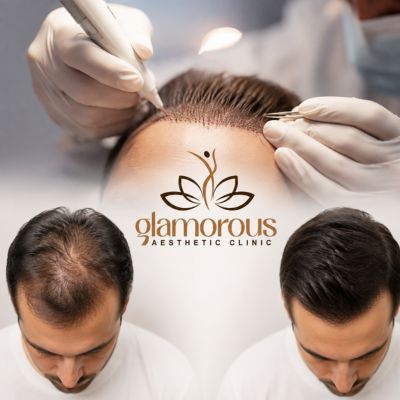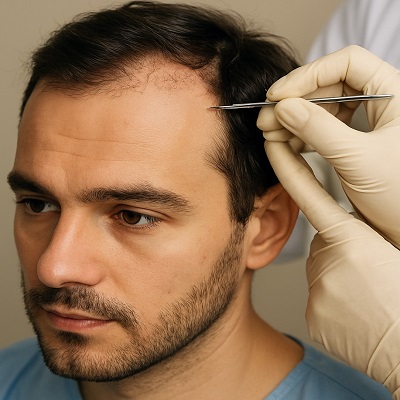
Do you have thin hair, baldness, or a receding hairline and are wondering How Many Grafts Do You Need for a Hair Trasnplant in Islamabad? The answer is not the same for everyone; the requirement of the grafts depends on the extent of hair loss, size of the thinning area, hairline design, available donor hair, hair density, and the level of coverage you want. It is a surgical procedure, and it depends on personal need, so you will know the required grafts after the consultation with a surgeon at Glamorous Aesthetic Clinic Islamabad doctor will assess the condition and estimate the number of grafts needed.
Quick Facts:
- Treatment: Hair Transplant
- Required Graft: Depends on the extent of hair loss
- General Estimated Graft: Around 1,000–4,000+ grafts
- Graft Areas: Hairline, front area, middle head, or crown
- Graft Source: Usually taken from the back and sides of the scalp
- Goal: Natural-looking coverage while preserving donor hair
- Suitable For: People with thin hair or baldness
What Is a Hair Graft?
In a hair transplant procedure, grafts are taken and implanted. Basically, a hair graft is a small piece of skin containing one or more hair follicles that is moved from the donor area to areas affected by hair loss. Most grafts contain 1–4 hair follicles, so the number of grafts is different from the total number of hairs. For example, 2,000 grafts may contain around 4,000–5,000 hairs, depending on the average number of follicles per graft. This is important when you decide how much transplanted hair is needed for coverage.
How Many Grafts Do You Need For A Hair Transplant?
The exact number of grafts is known after the consultation because it depends on your pattern and extent of hair loss, the areas requiring coverage, donor hair density, hair thickness, and the results you want. A person with different hair loss or baldness requires a different number of hair follicles for implantation.
| Requiring Hair Transplant | Estimated Graft Needed |
| Frontal scalp, limited hairline | 1,000–2,000 grafts |
| Need Broader coverage | 2,000–3,000 grafts |
| More extensive hair loss | 3,000–4,000+ |
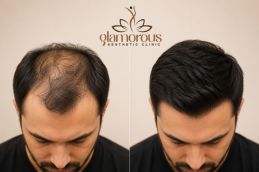
Usually, mild hairline recession may need far fewer grafts than someone with extensive thinning across the frontal scalp, mid-scalp, and crown. Your specialist should determine the final graft count after assessing your scalp and donor area.
What Actually Determines Your Graft Number?
Your graft number is determined by more than just the amount of hair you have lost. Some of the following factors a specialist considers while deciding the required number of grafts include:
- How much scalp needs coverage.
- How much density of healthy grafts is available.
- Hair thickness can provide greater visual coverage.
- The areas such as hairline, frontal scalp, mid-scalp, or crown affected by hair loss.
- How full you want the transplanted area to look.
- A natural hairline may require a carefully calculated number of grafts.
- The required grafts are decided considering the possible future thinning.
How Many Grafts Can Be Transplanted In One Session?
The number of transplanted grafts in one session depends on the donor area density, required area coverage, follicle health, and treatment plan. While some patients may achieve the required density in one session, others may get better results through multiple sessions.
The goal should not be to use the maximum possible number of grafts. A well-planned procedure balances the coverage with the donor area to maintain natural-looking results and leave enough donor hair for future hair loss use.
How Many Grafts Are Needed To Cover A Bald Head?
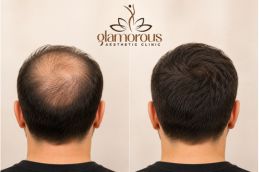
Extensive baldness may require around 3,000–5,000+ grafts; it depends on bald area size, donor hair density, hair thickness, and desired coverage. A complete consultation with a specialist determines a safe and realistic graft count after assessment.
How Does Your Norwood Scale Affect Graft Requirements?
The Norwood Scale helps to classify the pattern and severity of male pattern hair loss. As hair loss progresses from early hairline recession to more extensive thinning across the frontal scalp and crown, the number of grafts needed increases. However, your Norwood stage alone does not determine the graft count; it also depends on donor density, hair thickness, and affected area.
FUE vs. DHI: Does the Technique Change the Graft Count?
FUE and DHI are Both Hair Implantation Techniques; it’s not necessarily that they require a different number of grafts. The graft count is mainly determined by your hair loss pattern, required coverage, donor density, hair characteristics, and desired density. The only difference between these methods is how the extracted grafts are implanted. FUE uses implantation tools to place grafts into prepared recipient sites, while DHI uses a specialized implanter pen. A surgeon will recommend a suitable method based on your hair condition and requirements.
What Does This Mean For Cost?
The cost of a hair transplant is different based on the number of grafts required, technique used, surgeon’s expertise, and clinic. More grafts generally mean a higher overall cost; a personalized graft estimate helps you understand the expected cost.
| Number of Grafts | Average Estimated Cost |
| 1,000 – 2,000 Grafts | PKR 60,000 – PKR 140,000 |
| 2,000 – 3,000 Grafts | PKR 115,000 – PKR 230,000 |
| 3,000 – 4,000+ Grafts | PKR 130,000 – PKR 400,000+ |
Does Hair Density Affect How Many Grafts You Need?
Yes, thickness and hair density affect the overall requirement of grafts. Thicker hair covers more area with fewer grafts, while Low-Density Hair may require more grafts to achieve a fuller appearance. Hair density also affects the desired results; if you have insufficient healthy donor hair and require more grafts for coverage, it affects the outcome you want.
Frequently Ask Questions:
Can 2,000 Grafts Cover A Full Head?
Usually, 2,000 grafts are unlikely to provide full coverage for baldness. This graft number may be suitable for less hair thinning or depends on the area.
How Many Hairs Are In One Hair Graft?
The number of hairs in one graft varies from person to person; usually, a graft can contain 1-4 hair follicles, so graft count and total hair count are not the same.
How Do Surgeons Decide How Many Grafts You Need?
Before starting the procedure, the surgeon assesses your hair loss pattern, baldness area, donor hair density and desired coverage to estimate the required grafts.
Can I Get 4,000 Grafts In One Session?
Some patients may be suitable for a large session if they require more grafts; however, this depends on donor hair availability and overall treatment planning.
What Happens If I Have Insufficient Donor Hair?
For insufficient donor hair, your specialist may prioritize the most visible areas or recommend realistic coverage based on the available donor hair.
Is Hair Transplant Permanent?
Yes, hair transplants provide long-lasting results or permanent hair restoration with good care to keep the existing follicles.
Does The Number Of Grafts Affect Hair Transplant Results?
Yes, but more grafts do not always mean better results. The best number should provide adequate coverage while preserving the donor area.
Book Your Appointment Now:
Before going to hair transplant surgery, you may want to know the required grafts. Book your consultation with the Qualified Surgeon at Glamorous Aesthetic Clinic Islamabad to determine an estimated number of required grafts that will provide you with natural-looking results based on your outcome.

Dr. Fabiha Abid

Meet Dr. Fabiha Abid—a dedicated physiotherapist and skilled aesthetic practitioner at...
View Profile
Dr. Annas Sani
Introducing Dr. Annas Sani—an expert physician and skilled aesthetician at Glamorous...
View Profile
Dr. Nadia Tariq
Meet Dr. Nadia Tariq - our certified plastic and reconstructive surgeon at Glamorous Aesthetic...
View Profile
Dr. Ahmed Ali
We are excited to announce that Dr. Ahmed Ali is now a part of the Glamorous Aesthetic Clinic...
View Profile
Dr. Sabeela Imran
Dedicated and clinically proficient Dental Surgeon with comprehensive experience in restorative dentistry...
View Profile